
Maternity Bras vs Nursing Bras Key Differences and Choosing Tips for Expectant and New Mothers
- Idan Lev-Ran
- Mar 31
- 4 min read

Pregnancy and motherhood bring many changes, especially to a woman’s body. One of the most noticeable changes is in breast size and shape. Finding the right bra during this time is essential for comfort, support, and practicality. Many women wonder about the difference between maternity bras and nursing bras, and when to use each type. This post explains the key differences in design, functionality, and purpose of maternity and nursing bras. It also offers practical tips to help expectant and new mothers choose the right bra for each stage of motherhood.

What Are Maternity Bras?
Maternity bras are designed specifically for pregnant women. Their main purpose is to provide comfort and support as the breasts grow and change throughout pregnancy. Hormonal shifts cause breast tissue to expand, and maternity bras accommodate these changes with flexible, gentle designs.
Key Features of Maternity Bras
Soft, stretchy fabrics that adapt to breast growth without causing pressure or irritation.
Wide straps and bands to distribute weight evenly and reduce shoulder strain.
No underwire or flexible underwire to avoid discomfort and potential restriction of breast tissue.
Extra hooks and adjustable closures to allow for band size changes as the rib cage expands.
Full coverage cups to support the entire breast and prevent spillage.
Seamless or lightly padded designs for smoothness under clothing.
When to Use Maternity Bras
Maternity bras are ideal during pregnancy, especially from the second trimester onward when breasts start to grow rapidly. They provide the support needed to reduce back pain and discomfort caused by increased breast weight. Wearing a maternity bra early helps prevent stretched ligaments and sagging.
What Are Nursing Bras?
Nursing bras are designed for breastfeeding mothers. Their primary function is to allow easy access to the breasts for feeding while still providing support. Nursing bras combine comfort with practical features that make breastfeeding simpler and more discreet.
Key Features of Nursing Bras
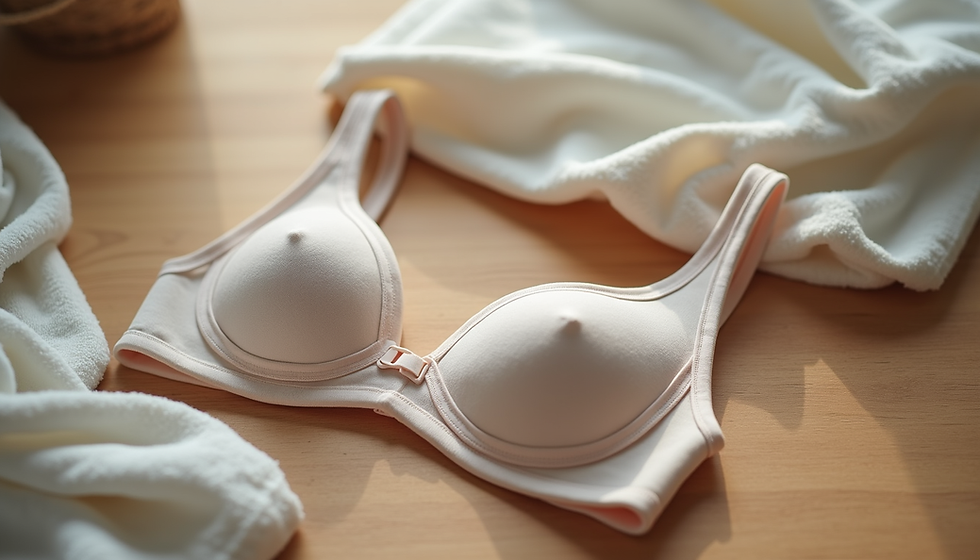
Drop-down or clip-down cups that can be opened with one hand for quick breastfeeding access.
Supportive structure with underwire or wireless options, depending on comfort preferences.
Soft, breathable fabrics that are gentle on sensitive skin.
Wide straps and adjustable bands to accommodate postpartum body changes.
Extra padding or lining to absorb leaks and provide modesty.
Multiple hook settings for size adjustments as breasts fluctuate during breastfeeding.
When to Use Nursing Bras
Nursing bras are best used after the baby is born and breastfeeding begins. They support the breasts during feeding and help manage changes in breast size caused by milk production. Nursing bras also make feeding more convenient, especially when out and about.
Key Differences Between Maternity and Nursing Bras
Aspect | Maternity Bras | Nursing Bras |
Purpose | Support breast growth during pregnancy | Facilitate breastfeeding access |
Design | Stretchy, soft, no or flexible underwire | Clip-down cups, often with underwire options |
Functionality | Comfort and support for growing breasts | Easy cup access for feeding |
When to Use | During pregnancy | After birth, during breastfeeding |
Adjustability | Extra hooks for rib cage expansion | Multiple hooks for fluctuating size |
Additional Features | Seamless or lightly padded for smoothness | Leak-proof padding, easy-open cups |
Benefits of Maternity Bras
Comfort during breast growth: Soft fabrics and flexible designs reduce irritation.
Support to reduce pain: Wide straps and bands help prevent back and shoulder pain.
Adaptability: Adjustable hooks and stretchy materials accommodate body changes.
Improved posture: Proper support encourages better posture during pregnancy.
Benefits of Nursing Bras
Convenient breastfeeding: Clip-down cups allow quick and discreet feeding.
Support during milk production: Designed to handle fluctuating breast size.
Leak protection: Padding helps absorb milk leaks and keeps clothing dry.
Comfort for sensitive skin: Breathable fabrics reduce irritation.
How to Choose the Right Bra for Different Stages of Motherhood
During Pregnancy
Choose maternity bras made from soft, breathable fabrics.
Look for bras with adjustable bands and multiple hooks to accommodate growth.
Avoid underwire bras unless they have flexible, well-padded wires.
Prioritize wide straps and full coverage cups for maximum support.
Consider buying 2-3 maternity bras to rotate for hygiene and comfort.
Early Postpartum (First Few Weeks After Birth)
Transition to nursing bras with easy-to-open cups for breastfeeding.
Select bras with gentle support and no tight bands to avoid pressure on sensitive breasts.
Choose bras with leak-proof padding or plan to use nursing pads.
Opt for wireless nursing bras if underwire feels uncomfortable.
Later Postpartum and Beyond
As milk supply stabilizes, find nursing bras that fit well without being too tight or loose.
Consider bras that can double as comfortable everyday bras.
Look for styles that suit your lifestyle, such as sports nursing bras for active moms.
Replace bras as breast size changes to maintain proper support.
Additional Tips for Choosing Maternity and Nursing Bras
Get professionally fitted: Breast size can change significantly during pregnancy and breastfeeding. A fitting ensures you get the right size.
Prioritize comfort over style: While attractive bras are nice, comfort and support are more important during this time.
Check fabric quality: Natural fibers like cotton or bamboo are breathable and gentle on skin.
Plan for growth and changes: Buy bras with adjustable features to extend their usability.
Consider your wardrobe: Choose bras that work well under your typical clothing styles.


Comments